
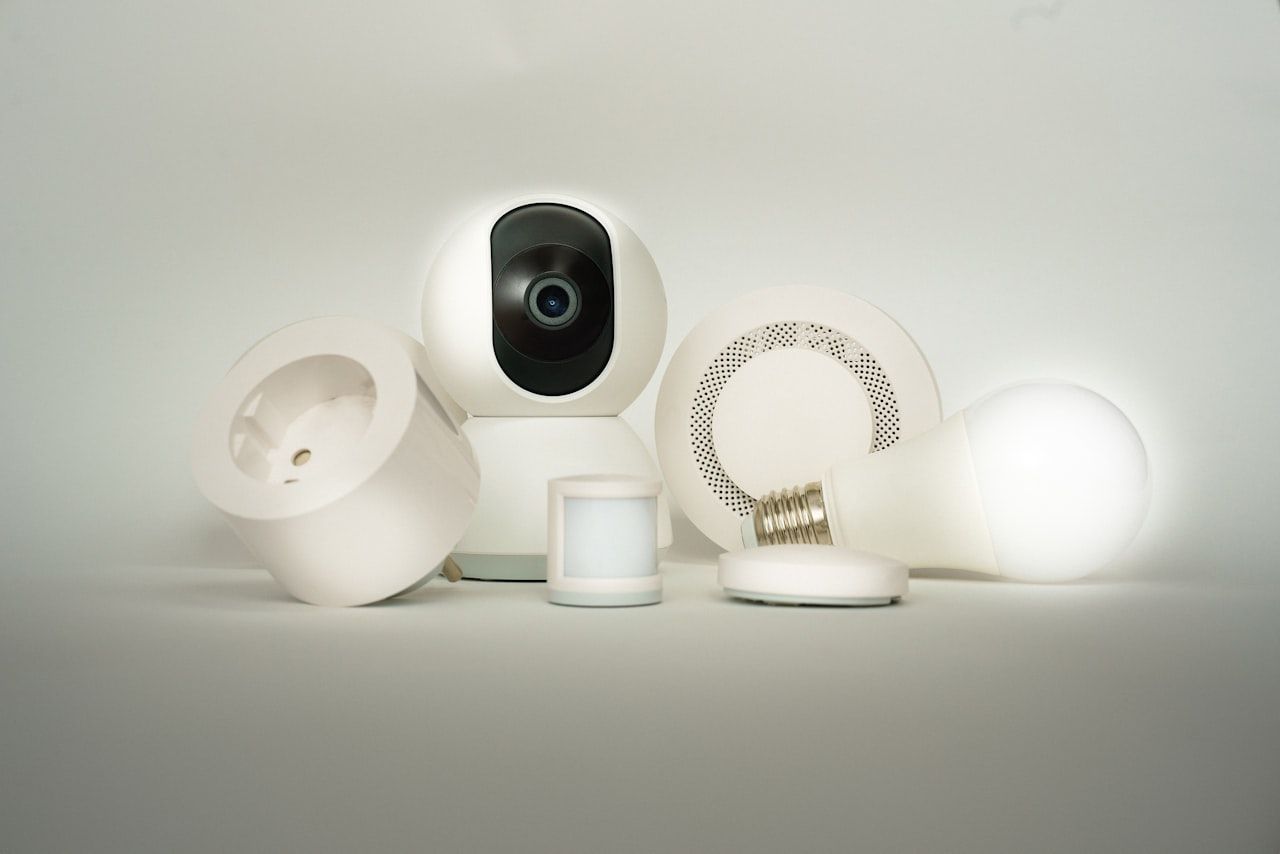
IP Video Surveillance
Powering cameras that have to work on the coldest night of the year
Surveillance is the application that made PoE mainstream, and the one where power design most often goes wrong. A camera system is not a constant load: it draws more at night than during the day, more in winter than in summer, and more during a pan-tilt movement than at rest. Design for the typical figure and the system commissions perfectly in September and starts dropping cameras in January.
What makes this deployment hard
- Heaters and IR illuminators can double a camera draw on a cold night, all at once, across the whole site
- The highest-power cameras are often the ones at the end of the longest cable runs
- Pole and roof-mounted cameras are the most exposed points in the system for surge damage
- A rack of 4K cameras will saturate a single gigabit uplink during a scene full of movement
- UPS runtime calculated against idle draw evaporates when every heater is running
Quick reference
| Fixed indoor camera | Class 2, 3-6.5 W |
| Dome with IR | Class 3, up to 12.95 W |
| Outdoor bullet, IR + heater | Class 4, up to 25.5 W |
| PTZ with heater and wiper | Class 6, up to 51 W |
| Channel limit per hop | 100 m |
Design guidance
Budget for the coincident worst case
Size the switch against the sum of PSE-side class reservations for every populated port, not against measured consumption. The number that matters is a cold night with every heater and IR array at full output simultaneously, which frequently doubles the summer daytime figure. Then verify the switch sheds load gracefully rather than rebooting if the budget is ever exceeded — a switch that restarts under overload takes the entire camera system with it.
Reach the cameras that are too far away
Conduction loss scales with the square of the current, so high-draw cameras suffer most on long runs. Where a camera is both distant and power-hungry, a PoE extender placed mid-run regenerates the link and resets the 100 m budget, drawing its own power from the same cable. Allow roughly 6 W per hop for the extender electronics and cable loss, and feed long chains from a higher-class source port rather than adding a powered cabinet.
Protect the exposed ends
Surge damage is rarely a direct strike; it is induced energy or a difference in ground potential between structures. Ethernet transformer isolation is a genuine first line of defence but not lightning protection, and PoE partially defeats it by providing a DC path through the magnetics. Fit a PoE-rated surge protector at each end of every external run, bond it to local earth, and use fiber for any span between buildings with separate earthing systems.
Commission against the failure conditions
Before handover, force every heater and illuminator on simultaneously and hold the load until the switch and cable bundles reach thermal equilibrium. Measure delivered voltage at the longest runs under that load, power-cycle the switch to confirm every camera returns unaided, and record per-port consumption as a baseline. A camera whose draw drifts upward over months is usually a failing heater or water ingress, and catching it from switch statistics is far cheaper than hiring a lift.
Equipment for this application
All products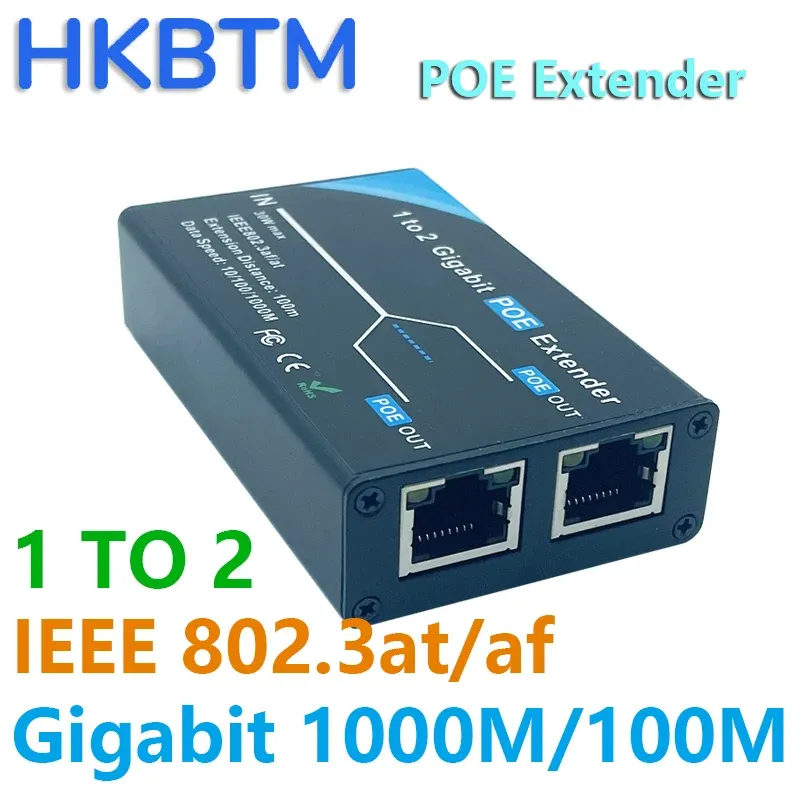
Gigabit 2 Port POE Extender, IEEE 802.3af/at PoE+ Standard, 10/100/1000Mbps, POE Repeater 100 meters(328 ft), Extender
Gigabit 2 Port POE Extender, IEEE 802.3af/at PoE+ Standard, 10/100/1000Mbps, POE Repeater 100 meters(328 ft), Extender
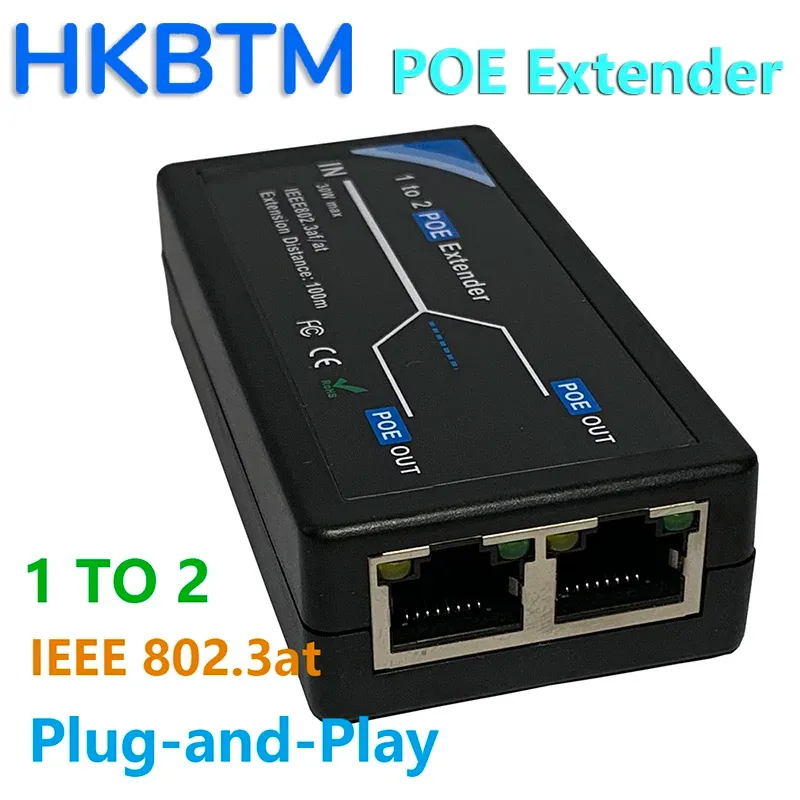
2 Port POE Extender 100Mbps with IEEE 802.3af Standard for NVR IP Camera AP IP VOICE POE Extend 100 meters for POE range
2 Port POE Extender 100Mbps with IEEE 802.3af Standard for NVR IP Camera AP IP VOICE POE Extend 100 meters for POE range
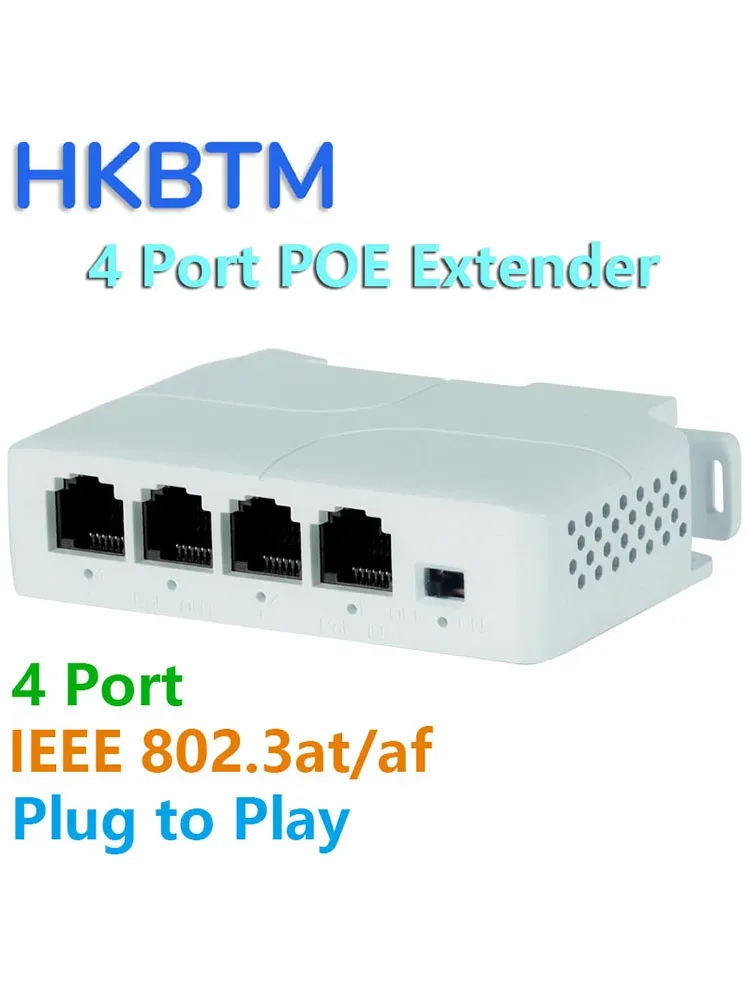
4 Port PoE Extender Waterproof poe repeater for IP Port Transmission Extender for POE Switch NVR IP Camera
4 Port PoE Extender Waterproof poe repeater for IP Port Transmission Extender for POE Switch NVR IP Camera
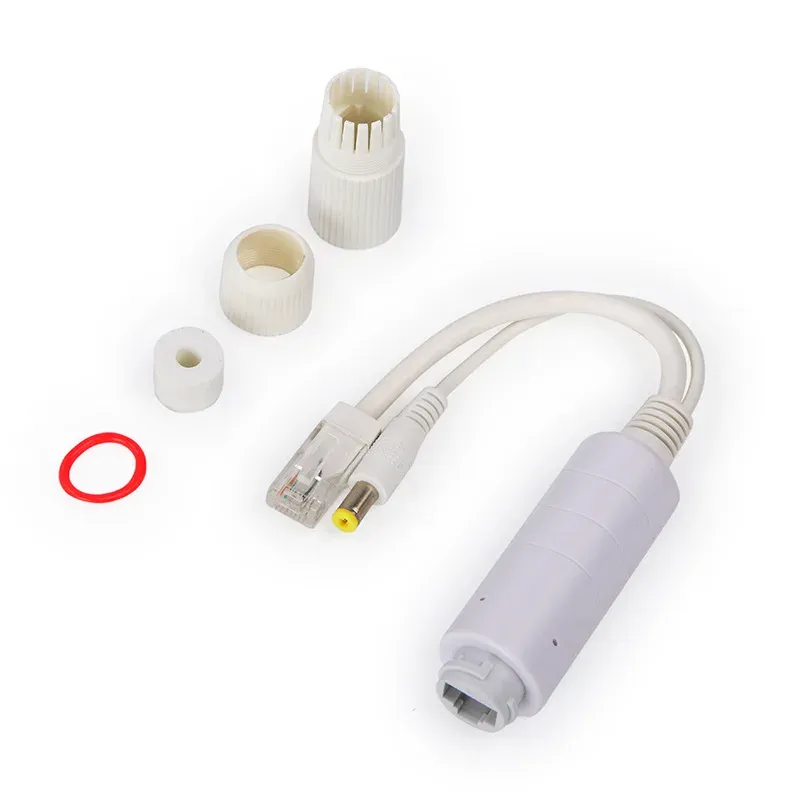
48V to 12V POE Spliter Waterprrof With Video And Power Adapter Cable Supply Module Injector for IP Camera Extender
48V to 12V POE Spliter Waterprrof With Video And Power Adapter Cable Supply Module Injector for IP Camera Extender
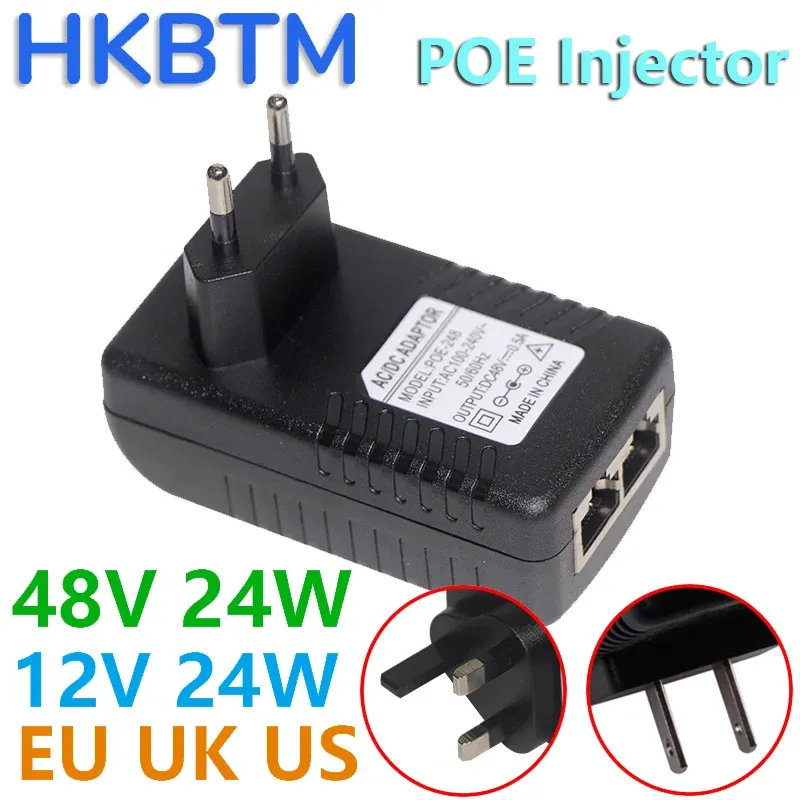
POE Injector 48V 24V 12V 24W EU US UK AU Plug For CCTV IP Camera Power Supply Ethernet Adapter Phone AP
POE Injector 48V 24V 12V 24W EU US UK AU Plug For CCTV IP Camera Power Supply Ethernet Adapter Phone AP
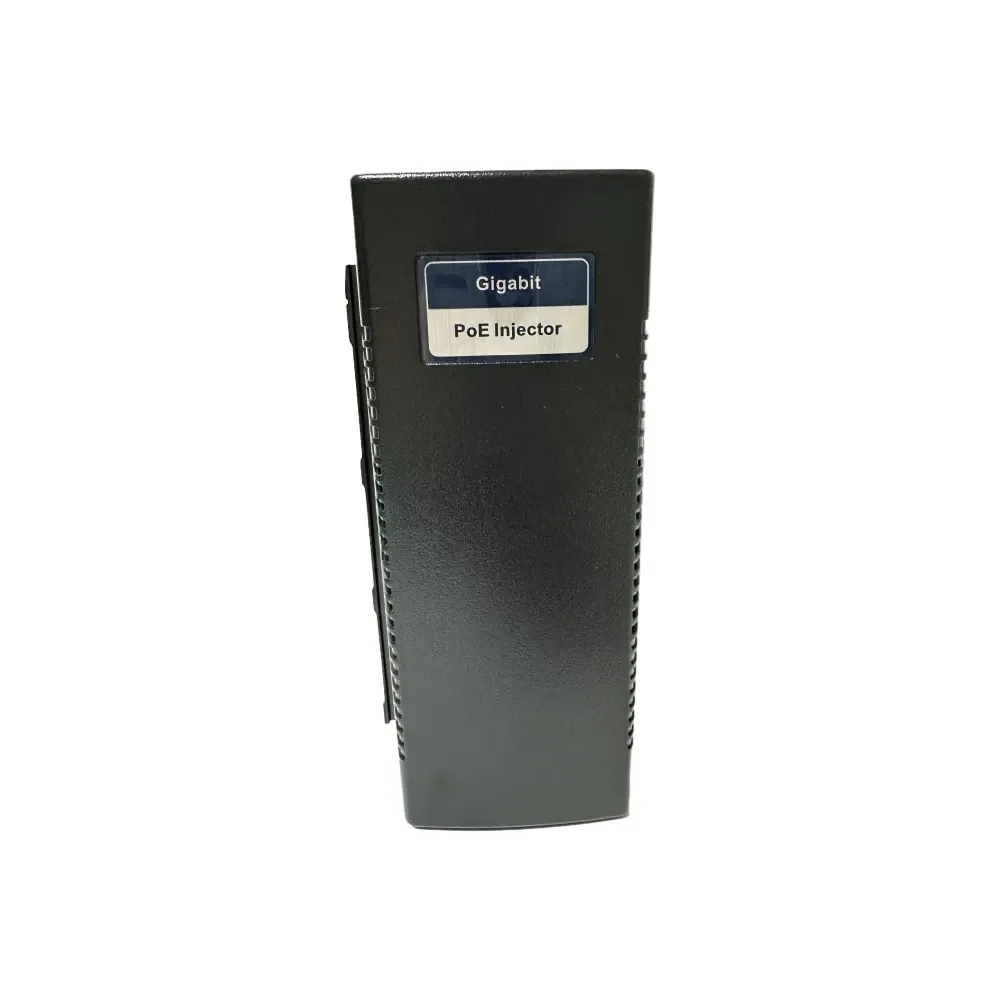
Gigabit POE Injector for IP Camera CCTV Security Surveillance PoE Power Supply Ethernet Adapter Phone US EU UK Plug
Gigabit POE Injector for IP Camera CCTV Security Surveillance PoE Power Supply Ethernet Adapter Phone US EU UK Plug
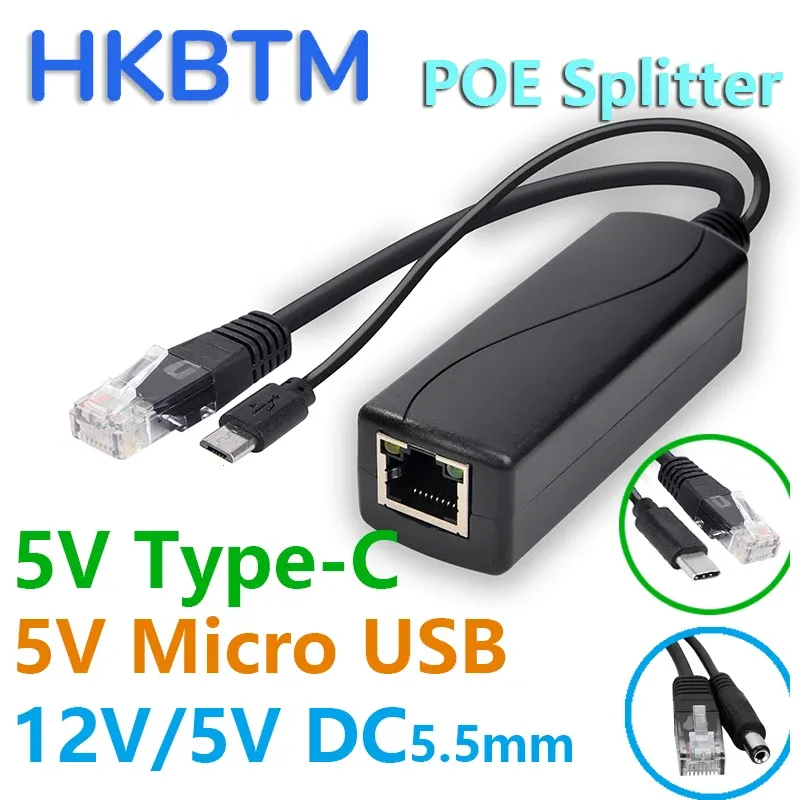
POE Splitter 48V To 5V 12V Micro USB tpye-C BarrelJack Power Supply for Huawei for Hikvision for Bobcat for Raspberry Pi
POE Splitter 48V To 5V 12V Micro USB tpye-C BarrelJack Power Supply for Huawei for Hikvision for Bobcat for Raspberry Pi
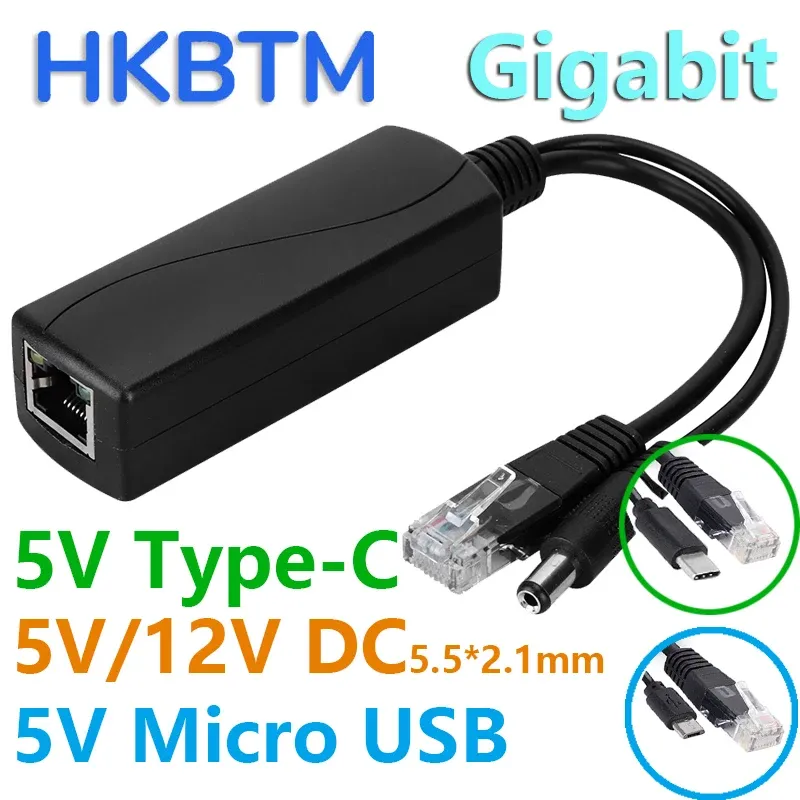
Gigabit PoE Splitter Micro USB/Type-C/DC Power over Ethernet for IP Camera/Raspberry PI/sensecap/Bobcat
Gigabit PoE Splitter Micro USB/Type-C/DC Power over Ethernet for IP Camera/Raspberry PI/sensecap/Bobcat
The engineering behind it
PoE Design Guide for IP Camera Systems
Sizing power for fixed, dome and PTZ cameras, budgeting for heaters and IR, planning switch capacity and uplinks, and the failure modes that only appear in winter.
Read articleWhat Is a PoE Extender and How Does It Work
How a PoE extender regenerates both data and power to push a link past 100 metres, how far you can cascade them, and what the power budget looks like through a chain.
Read articlePoE Surge Protection and Grounding Design
Why outdoor PoE runs fail during storms, how surge energy actually enters the system, and the isolation, bonding and SPD choices that keep cameras alive.
Read articlePoE Power Budget and Loss Calculation
Understand PoE power budgeting and cable loss: PSE budget, I-squared-R losses, distance derating, and a worked example you can reuse.
Read articleSpecify it with us
Tell us the load, the distance and the environment, and we will come back with a part list. We also build to specification where nothing off-the-shelf fits.