
Top PoE Applications: IP Cameras, Wireless APs, VoIP and IoT
Per-application PoE power needs for IP cameras, wireless access points, VoIP phones and IoT, with guidance on standard and splitter selection.
PoE's appeal is simple: one cable carries data and power, eliminating local outlets and electricians at every endpoint. But each application draws a different amount of power, so matching the PoE standard - and the splitter, where needed - to the load is what makes a deployment reliable. This guide summarizes the major application categories and their typical requirements.
IP Cameras
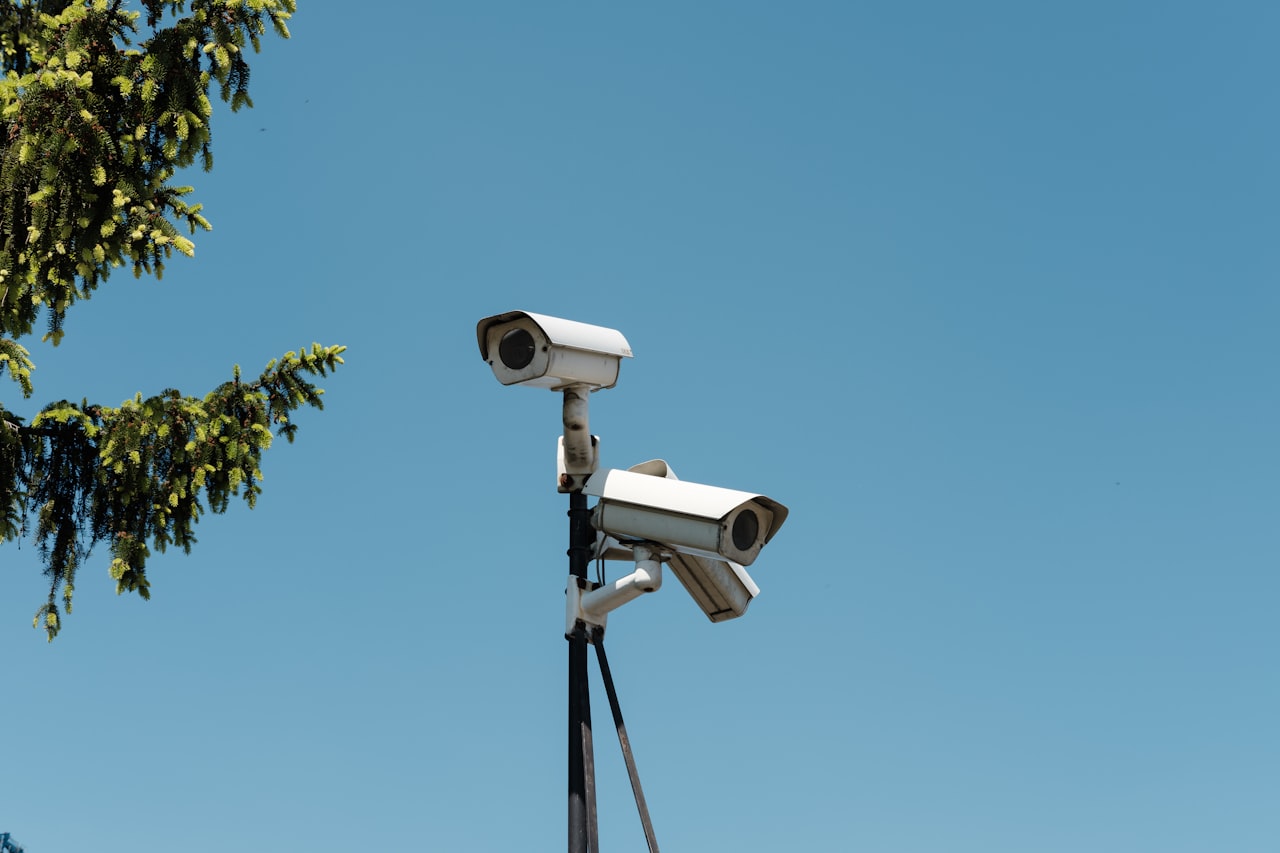
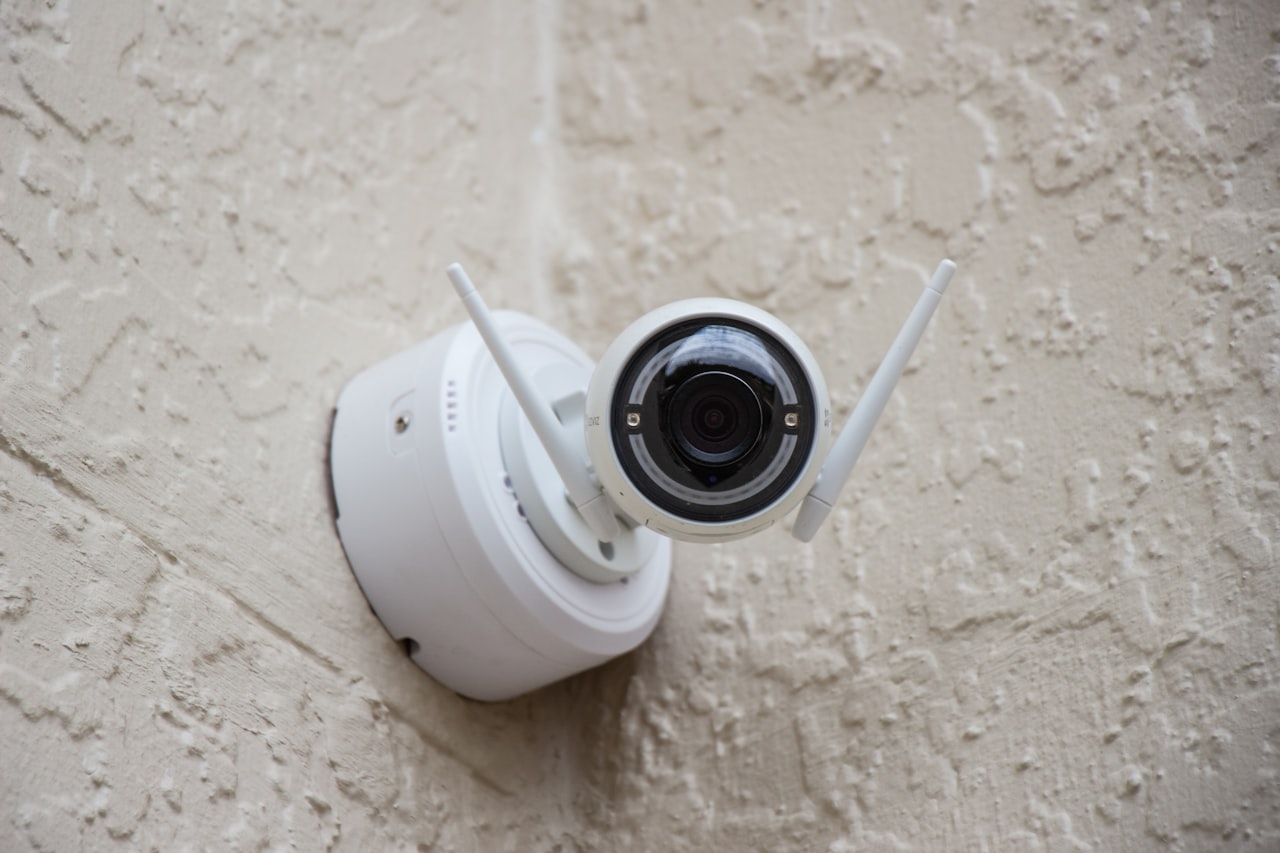
Fixed IP cameras are modest loads. Basic models draw 5-7 W, while many full-featured fixed cameras sit around 8-12 W - comfortably within 802.3af (Type 1). Pan-tilt-zoom (PTZ) cameras are different animals: motors, infrared illuminators, heaters, and blowers can push draw to 25-45+ W, frequently requiring 802.3at (Type 2) or 802.3bt (Type 3/4). When connecting an older 12 V camera to a PoE switch, a 12 V PoE splitter bridges the gap.
Wireless Access Points
Access point power has climbed steadily with Wi-Fi generations. Older single-radio APs need 6-10 W, dual-band Wi-Fi 5/6 enterprise APs need roughly 13-20 W, and high-density Wi-Fi 6E or tri-radio APs can demand 25-30+ W - sometimes requiring 802.3bt. Underpowering an AP causes it to disable radios or reduce transmit power, silently degrading coverage, so always budget to the AP's maximum, not its idle draw.
VoIP Phones
VoIP endpoints are the easiest loads to plan. Basic desk phones draw a few watts; color-screen phones with sidecars draw 6-12 W; video phones and collaboration endpoints can reach 12-20 W. Most fall within Type 1 or Type 2.
IoT and Edge Devices
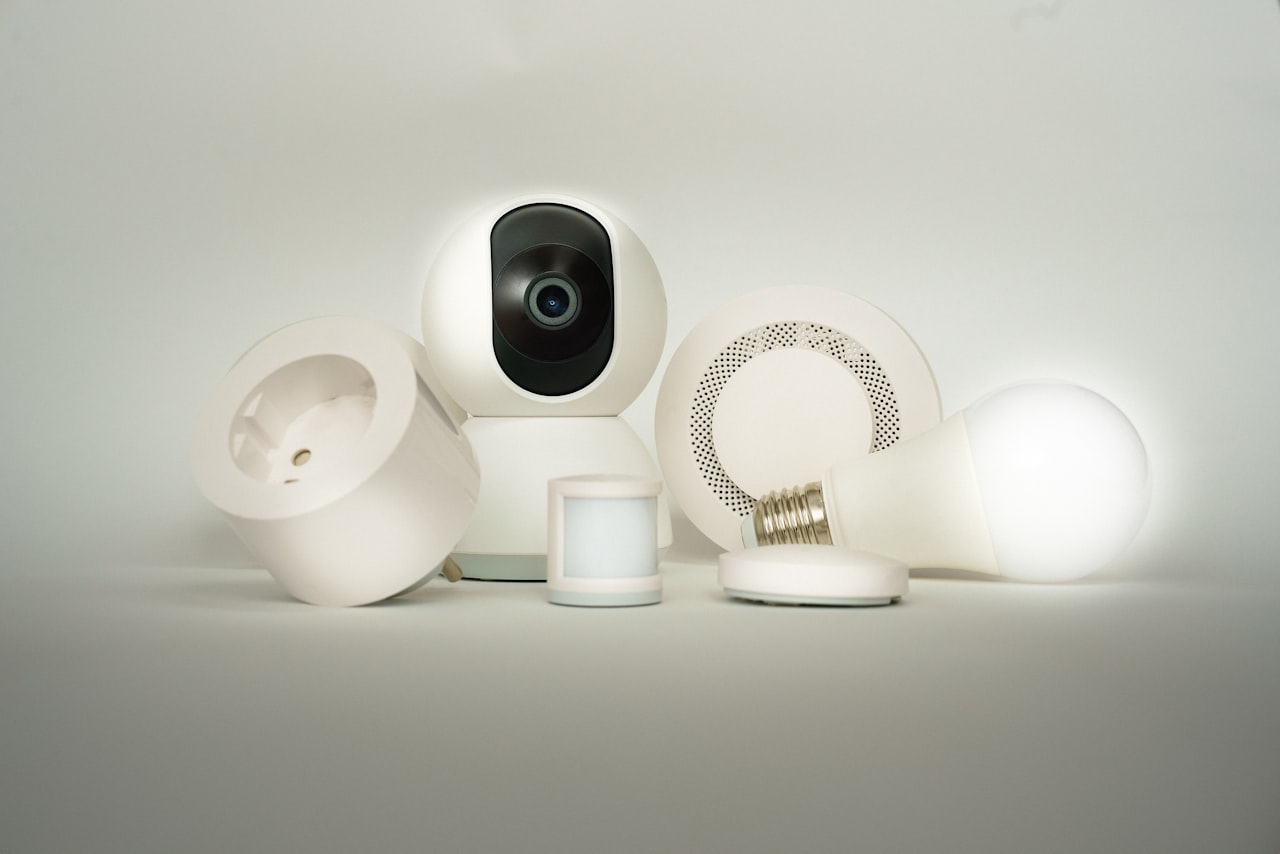
Sensors, gateways, controllers, access-control readers, and digital signage vary widely. Many IoT endpoints are tiny loads well within the lowest power classes, but they often need an unusual rail (5 V, 9 V, 12 V, or 24 V), making an appropriately rated splitter the practical way to power them from a standard PoE switch.
Application Power and Standard Reference
| Application | Typical power | Suggested standard | Splitter need |
|---|---|---|---|
| Fixed IP camera | 5-12 W | 802.3af (Type 1) | 12 V splitter for legacy units |
| PTZ / IR / heated camera | 25-45+ W | 802.3at / 802.3bt | 12 V or 24 V splitter if non-PoE |
| Basic Wi-Fi AP | 6-10 W | 802.3af | 12 V splitter if non-PoE |
| Wi-Fi 6 / 6E AP | 13-30+ W | 802.3at / 802.3bt | Usually native PoE |
| VoIP / video phone | 4-20 W | 802.3af / 802.3at | Rarely needed |
| IoT sensor / gateway | 1-15 W | 802.3af | 5/9/12/24 V splitter common |
Choosing the Standard and the Splitter
- Budget to the maximum: Use each device's peak draw, including IR, heaters, motors, or extra radios.
- Leave headroom: Reserve 10-20% at both the port and the switch budget for surge and growth.
- Use a splitter for non-PoE endpoints: Match its output voltage exactly, confirm gigabit support where needed, and choose an active IEEE-compliant unit.
- Mind the environment: Outdoor cameras and APs benefit from surge-protected, wide-temperature splitters.
Mixed Deployments and Aggregate Budgeting
Real installations rarely contain a single device type. A typical building might combine dozens of fixed cameras, a handful of PTZ domes, a floor of access points, and a bank of VoIP phones - all drawing from the same switches. The key planning step is to sum the peak draw of every endpoint per switch and compare it against the switch's aggregate PoE budget, not just the per-port maximum. Because a 24-port switch seldom has the power supply to run all ports at full Type 2 or Type 3 power simultaneously, oversubscription is a common and avoidable cause of devices that intermittently fail to boot. Group high-power endpoints across multiple switches, and reserve headroom for the worst case - for example, every camera switching on infrared at nightfall at once.
Single-Cable Simplicity, Done Right
The common thread across these applications is that PoE collapses power and data into one structured-cabling run, slashing installation cost and enabling devices in places no outlet reaches. Where an endpoint is not natively PoE - or needs a specific voltage - a well-matched splitter completes the picture. We supply standards-compliant splitters and custom power modules across the 5-24 V range so integrators can power cameras, APs, phones, and IoT from a single PoE infrastructure with confidence.
Need PoE hardware for your project?
Browse our PoE splitters or request a custom power module built to your spec.