
PD and PSE Explained: The PoE Powering Architecture
Understand PoE's two roles: PSE (endspan or midspan) sources power; PD receives it. Learn detection, classification and the 25k-ohm signature.
Every PoE link has two roles: the Power Sourcing Equipment (PSE) that injects power, and the Powered Device (PD) that consumes it. Understanding how these two negotiate is the key to predictable, safe PoE - and to designing splitters and modules that behave correctly as PDs.
The PSE: Where Power Originates
The PSE is responsible for detecting valid PDs, classifying them, and supplying regulated DC power within the standard voltage range (44-57 V depending on Type). There are two physical forms:
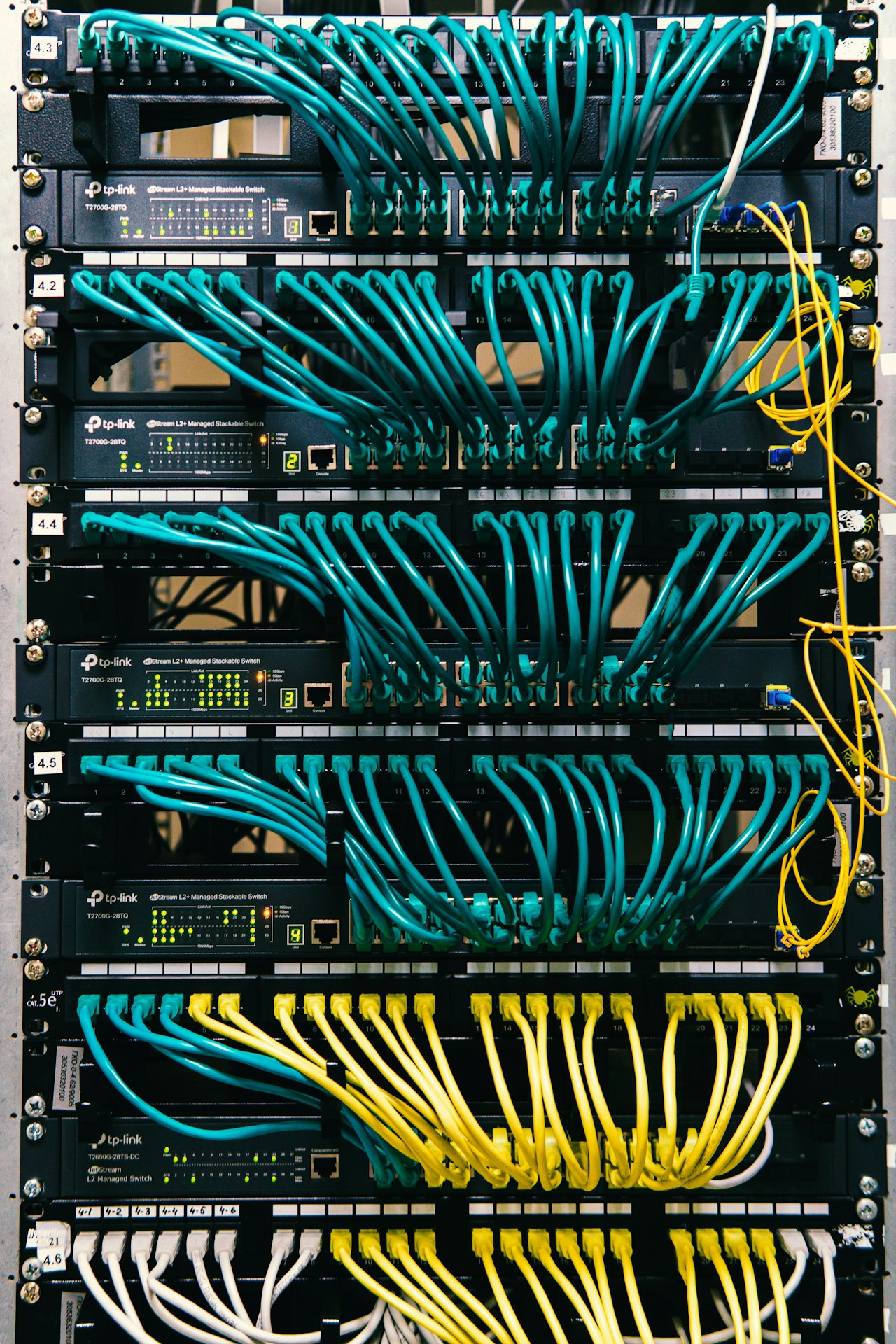
- Endspan: A network switch with PoE circuitry built into each port. This is the most common form in modern installations - power and data come from the same box.
- Midspan: A standalone power injector placed between a non-PoE switch and the device. Midspans are used to add PoE to existing non-PoE infrastructure without replacing the switch.
The PD: Where Power Is Consumed
The PD is the endpoint - an IP camera, access point, phone, sensor, or a PoE splitter acting on behalf of a non-PoE device. A compliant PD presents the signatures the PSE looks for and accepts power only after the handshake completes. Because a splitter sits on the PD side, it must implement PD behavior correctly to be recognized and powered by any standard switch.
Power Delivery Modes
PoE can place power on different pairs of the cable:
| Mode | Pairs used | Notes |
|---|---|---|
| Alternative A | Data pairs (2 & 3) | Power superimposed on data; common on endspans |
| Alternative B | Spare pairs (1 & 4) | Uses the unused pairs in 10/100; common on midspans |
| 4-pair (802.3bt) | All four pairs | Required for Type 4; spreads current, cuts loss |
A well-designed PD accepts power on either polarity and either alternative, since it cannot assume which scheme the PSE uses.
The Detection and Classification Sequence
Standard PoE follows a defined power-up sequence that protects non-PoE equipment:
- Detection: The PSE applies a low probe voltage (roughly 2.7-10 V) and measures the load. A valid PD presents a 25 kΩ signature resistance across the powered pairs. No valid signature, no power.
- Classification: The PSE raises the voltage into the classification window (about 14.5-20.5 V) and reads the PD's class so it can reserve the right amount of power. 802.3bt adds multi-event and Autoclass for finer granularity.
- Startup: The PSE applies full voltage (above ~42 V) and the PD powers on.
- Operation: The PSE maintains 37-57 V at the PD and monitors current; if the PD is removed or draws too little, the PSE disconnects power.

Signature Resistance and Why It Matters
The 25 kΩ detection signature is the single most important safety element of PoE. It is the fingerprint that tells the PSE "a real PoE device is here." Ordinary non-PoE equipment does not present this resistance, so a compliant PSE withholds power and the device is never exposed to 48 V. When designing a PD or splitter, getting the detection and classification signatures right is what makes the product universally compatible with standard switches.
Endspan vs Midspan: Choosing
- Choose an endspan switch for new or refreshed networks - it is cleaner, centrally managed, and supports the latest 802.3bt power.
- Choose a midspan injector to add PoE to a working non-PoE switch, to reach a single high-power device, or to add power without re-cabling.
Designing on the PD Side
Splitters and custom power modules live on the PD side of this architecture, which means correct detection, classification, and dual-mode/dual-polarity acceptance are non-negotiable. Our products implement standards-compliant PD behavior so they are recognized and powered by any compliant endspan or midspan, then deliver clean, regulated output to the equipment behind them.
Need PoE hardware for your project?
Browse our PoE splitters or request a custom power module built to your spec.